POST B: Negated Negativity

epicurus.jpg

An Ancient Greek philosopher named Epicurus believed that humans can only attain happiness happiness by moving towards pleasure, or away from pain (Masse 2005). Appealing to these human drivers particularly resonates in marketing campaigns around the world.

Take for example the 66 iconic ads that apple ran from 2006-2009. A famous set of ads that represent Apple’s MacBooks vs PC’s. The viewer of these ads experiences a want to be like the Mac, who’s creative, cool and easy – but also wants to stray away from an older styled, less efficient and buggy PC. While its a small microcosm example of two big drivers for all humans, it highlights the effectiveness of appealing to both drivers for happiness.


Compare this now to some Australia’s recent advertising campaigns.


Packaging

anti-smoking.jpg

The cigarette packaging alone speaks volumes on Australia’s style of advertising. The packaging highlights the extremely negative impact smoking can have on someone in extreme cases.

Advertisements

Many campaigns focus on other negative more medium termed issues caused by smoking, commonly respiratory issues, under performing in sport and symptoms like coughing.

Campaigns

creative-no-smoking-posters-to-Print0091.jpg

Australian campaigns quite often come in the form of educational pieces aimed to raise awareness about cigarettes.


The Cultural Proposal for the Positive Side of Smoking

Unlike the apple advertisements, Australian media only focuses on the negative around smoking and paints a picture of living a better life by moving away from the pain caused by smoking. But theres some limitations to this – a lot of people don’t want to watch graphic ads, some people who haven’t experienced similar symptoms or stories may struggle to relate and others believe that they will never get to that.

I think culturally speaking, smoking is regarded in a much better light. In particular, in youth when many smoking habits form, smoking can be viewed as something thats social, cool, fun, rebellious or relaxing.

In Indonesia out of the children aged between 13 and 15, over 20% smoke (Tobacco Free Kids, 2017). Culture paints smoking in a more positive light which is favoured over the negative advertisements. I interviewed an Indonesian man called Anthony who has been smoking since he was 12.

“I have been smoking since I was 12. It started out as something me and my friends would do to rebel at school and then just for fun. But now I do it because I have to”.

In this critical age where youth are listen more to positive culture than negative advertisements, I think we can apply similar principles to the iconic Apple ads and run campaigns that instead of focusing on the negative side of smoking, focus on the positive side of not smoking. Then we can start to work on culture that understands the potential negative side of smoking to.


References

Masse, M. (2005, April 15). THE EPICUREAN ROOTS OF SOME CLASSICAL LIBERAL AND MISESIAN CONCEPTS. Retrieved November 26, 2018, from http://www.quebecoislibre.org/07/071111-4.htm

Lo, A. (2012, December 09). Retrieved November 26, 2018, from https://www.youtube.com/watch?v=0eEG5LVXdKo – Youtube reference, original from Apple Company.

NCD Alliance. (2018, July 3). Retrieved November 27, 2018, from https://ncdalliance.org/news-events/news/wto-backs-australia’s-plain-packaging

The Toll of Tobacco in Indonesia. (2018, November 16). Retrieved November 28, 2018, from https://www.tobaccofreekids.org/problem/toll-global/asia/indonesia

Cigarettes and poison. (2017, June 07). Retrieved November 27, 2018, from http://www.quitnow.gov.au/internet/quitnow/publishing.nsf/Content/cigarettes-and-poison

Quit stalling. (2018, July 2). Retrieved November 26, 2018, from https://www.cancer.nsw.gov.au/how-we-help/cancer-prevention/stopping-smoking/quit-smoking-campaigns/quit-stalling


Visual Vice

A recent example a designed initiative with a focus on tobacco control is evident within the plain packaging method instituted by the Australian government. The method focused upon the removal of branding with an olive green colour palette design (David, 2017). The plain packaging policy operates as a top-down solution with the aim being to change the perception and stigmatise tobacco products for both current and potential users.

ciggarettes.jpg
Figure 1: Change in packaging, David H.

The first major impact of the plain packaging strategy adopted by the Australian government focuses on targeting the cultural perception of smoking with a particular emphasis on non-smokers. The role of packaging and colour palettes initial worked to target the desires of demographics within society particularly young adults evident utilisation of trendy iconographic and lighters colours. By changing the branding of these products into a singular standardised appearance this appeal could then be subverted with the substituted olive colour rephrasing the product as repulsive. The effectiveness of this policy was reviewed in 2014 with a survey of high school students with the study stating ‘This packaging change was associated with a reduction perceived attractiveness and appeal of cigarette packs to adolescent’ (Facts sheet no. 1: What has been the impact of legislation to standardise the packaging of tobacco products in Australia?, 2016).

The second major impact of the plain packaging strategy adopted by the Australian government was the enhancement of the unappealing visuals previously implemented on cigarette packaging. These images were previously present on tobacco product however following the introduction of the plain packaging policy the scale of these graphics increased dramatically from 30 % to 75 % (White and Williams, 2015). This increase in scale in combination with the change to plain packaging reinforced the unappealing atmosphere the policy aimed to manifest within potential users. This implementation also worked to increase the understanding of current users with Cancer Council Victoria suggesting ‘in the first year post-implementation, more smokers noticed graphic health warning sand attributed their motivation to quit to the warnings compared with pre-plain packaging.’ (White and Williams, 2015).

The third major impact of the plain packaging strategy adopted by the Australian government was the challenging of the comparative safety of tobacco brands as understood by the public. This misconception stems from an interpretation of colour as an indicator of the safety of the tobacco product with darker colours being perceived as dangerous and unhealthy while lighter colours were perceived as less harmful or safe. This perception can be attributed to a combination of marketing established by tobacco companies with products labelled ‘light’ or ‘mild’ typically being coloured lighter tones as well as the natural conditions of the colours. This understanding was supported by a study conducted in 2010 which stated ‘colors and descriptors are perceived by smokers to communicate health-risk information.’ (Bansal-Travers, 2011). The change to a stark and unappealing dark olive colour combats this theory by playing upon the implied connotations of the colour has unhealthy and dangerous.

In summary, the plain packaging policy adopted by the Australian government as a nonprofit effort to combat the understanding and uptake of smoking has been successful in changing the perception and appeal of tobacco products visual and practical perspective.

References
Bansal-Travers, M. 2011, What Do Cigarette Pack Colors Communicate to Smokers in the U.S.?, https://www.ncbi.nlm.nih.gov/. viewed 29 November 2018, <https://www.ncbi.nlm.nih.gov/pmc/articles/PMC3124844/>.


David, H. 2017, Nothing Plain about Plain Packaging | IASLC Lung Cancer News, Lungcancernews.org. viewed 29 November 2018, <http://www.lungcancernews.org/2017/02/01/nothing-plain-about-plain-packaging/>.


Facts sheet no. 1: What has been the impact of legislation to standardise the packaging of tobacco products in Australia? 2016, Cancervic.org.au. viewed 28 November 2018, <https://www.cancervic.org.au/downloads/plainfacts/Facts_sheets/Facts_Sheet_no_1_Impact_PP_legis_May2016.pdf>.


White, V. and Williams, T. 2015, Australian secondary school students’ use of tobacco in 2014, Nationaldrugstrategy.gov.au. viewed 29 November 2018, <http://www.nationaldrugstrategy.gov.au/internet/drugstrategy/publishing.nsf/Content/BCBF6B2C638E1202CA257ACD0020E35C/$File/Tobacco%20Report%202014.PDF>.

Post B: Well Intended Trauma. Gruesome public advertising for a cause.

Puss-filled blistering lips. Rotting teeth. Lungs drowned in tar. Children crying as they mourn their parents.

Although it may sound like a horror film, these images are the reality of Australian anti-smoking TV advertisements. Not only does the Australian Government attack the wallet of smokers with increased cigarette taxes, these mini films aggressively tug at the publics emotions. Targeted at 18-40 year olds, these ads display the gruesome effects of smoking, such as amputated limbs, an immobile person dependent on a ventilator, and a cancer-infested tongue (Tobacco in Australia, 2007). Furthermore, these advertisements prey on the feeling of guilt and sadness, emphasising the effects that the smokers health, and potential death, will have on their loved ones. Although some may deem these ads as overly manipulative, the shock value strategy in TV advertising has proven to be effective in raising awareness and reducing the desire to smoke (Arwa Mahdawi, 2013).

Untitled-6-01

(Screenshots from Australian anti smoking advertisements, 2013).


However, these “maddeningly manipulative”  ads have caused backlash with the public audience over the years of airing (Joel Keller, 2015) . An issue with this public health strategy is that it does not exclusively effect the target audience – that being smokers. Children and non-smokers are exposed to graphic images that can not be unseen, placing a heavy weight on their emotions. This strategy has been scrutinised by some as inefficient and a harmful use of campaign resources and funds (Andrew Gelman, 2015).

 Since the 1990’s, creating and funding anti-smoking TV advertisements has been a collaborative effort between independent Australia Quit campaigns and the Commonwealth, to create National Tobacco Campaigns (Tobacco in Australia, 2007). The heart-wrenching mini films are a result of an interdisciplinary group – The health department works alongside experts in creative fields such as film, directing and costuming in order to create an authentic and effective story. It is essential that the films capture the truth about smoking, emphasising not only the health impact but the emotional turmoil that is involved in tobacco use.

Since 1995, The Australian Government has allocated funds and made a commitment to combining the tobacco control expertise and resources nation wide to create a collaborative national anti-smoking campaign. The strategy of  TV advertising has been extensively funded by the Commonwealth Department of Health and Aged Care – In it’s initial months of the campaign (1997 June -October), 75% of $4.5million allocated for advertising, was used. This nation wide effort and collaboration amongst states has been a great strength of this strategy in ensuring its effectiveness. (Tobacco in Australia, 2007).

Australia’s anti-smoking scare tactics have been commended on a global scale – such gruesome advertisements have become an export for Australia. In 2009, the New York City Department of Health used an Australian ad of a young boy crying at busy train station after losing sight of his mum (created by Cancer Council Victoria) (Arwa Mahdawi, 2013).The close up of the child showcased genuine tears and fear as the small boy was left alone, unaware that it was staged for filming purposes. The creative choices for filming purposes did produce a truly impactful film, which were followed by a voiceover, “If this is how your child feels after losing you for a minute, just imagine if they lost you for life.” Although this advertisement was deemed successful in reaching audiences on an emotional level, and thus educating and deterring people away from smoking, there were moral implications brought up through numerous audience complaints.

Overall, Australia’s shock TV advertisements have been proven an effective tobacco control strategy. Although they have been deemed overly aggressive, manipulative and gruesome – perhaps this is what is needed to tackle an equally aggressive global health issue which kills thousands of people yearly.

References:

Tobacco in Australia 2007, Tobacco Control campaigns in Australia: Experience, viewed 27 November 2018, < http://www.tobaccoinaustralia.org.au/14-3-tobacco-control-campaigns-in-australia-experi>

Arwa Mahdawi 2013, Does Australia Have the Most Gruesome Public Advertising in the World?, viewed 27 November 2018,

< https://www.theguardian.com/global/2013/may/28/australia-public-advertising-violent>

Joel Keller 2015, Preemies Should Not Be Props, viewed 27 November 2018, < https://slate.com/technology/2015/10/preemie-anti-smoking-psa-is-wrong-ineffective-and-offensive.html>

Andrew Gellman 2015, How Effective are Anti Smoking Ads?, viewed 27 November 2018, < https://www.thedailybeast.com/how-effective-are-anti-smoking-ads>


Post B: Patching a Hole in Our Habits

Nicotine patches are transdermal patches used to deliver nicotine through the user’s skin to reduce cravings and the withdrawal symptoms which can be experienced when the user attempts to quit tobacco usage. The nicotine patch was developed by Jed Rose, Murray Jarvik and Daniel Rose as a top down approach to prevent tobacco usage directly; it was cleared for human use in 1984 and patented soon after in 1986. (Rose, J. E, 1984). An interdisciplinary approach is now used to promote the “over the counter” product in Australia, with advertisements heavily broadcasted over radio, television and often shown in newspapers. The introduction of these patches was just a small step in Australia’s attempt to reduce the prevalence of smoking, which has declined from 22.3% in 2001 to 14.7% in 2015 in people 18 years and older. (The Department of Health 2018).

A study conducted outlines the effectiveness of the nicotine patches in the reduction of tobacco use. A group of users were given both placebo and nicotine patches. The success rate for the nicotine patches almost doubled the placebo patches at 6 weeks, the percentage of quitters 10.8% and 5.9% respectively. The results at 24 weeks were different, however still heavily favoured the nicotine patches, at 8.2% and 2.8%. (Renshaw, 2013).

Although some of these users may have quit smoking, as the patch still delivers nicotine to the user, the users may share common symptoms to that of smoking, such as headaches, dizziness, weakness and sickness.

The design of the nicotine patch is largely successful due to the fact that it fulfills the cravings held by the user, eliminating the need to smoke or chew tobacco from which many health risks may arise such as stroke, heart disease and cancers. However, this alone does not define its success as the primary aim of nicotine patches are to eliminate nicotine dependency. Some brands of nicotine patches offer differing strengths to wean users from nicotine completely. An example of this is Nicotinell, an Australian nicotine patch brand which provides three different nicotine dosages, Nicotine Step 1, 2 and 3 (52.5 mg, 35mg, and 17.5 mg respectively). Typically, heavy smokers begin with Nicotine Step 1, and move their way down after 3-4 weeks as prescribed. Lighter smokers may even begin from Nicotine Step 2. (NPS, 2009).


d415cc0d-d6d6-4384-b7c5-dd0b8185f92a._SR970,300_

Figure 1: An advertisement for Nicotinell Patches, displaying the differing dosages of nicotine.

In all, like most other reduction and prevention methods, nicotine patches still rely heavily on the user’s own will to quit. The nicotine patch succeeds in weaning users off tobacco usage. It’s gradual reduction in nicotine strengths is a great way to combat the severe withdrawal effects that are associated with smoking and chewing tobacco.

References

Rose, J. E., Jarvik, M. E., Rose, K. D. 1984. Transdermal administration of nicotine. Drug and Alcohol Dependence

The Department of Health 2018, Smoking Prevalence Rates, viewed 28 November 2018, < http://www.health.gov.au/internet/publications/publishing.nsf/Content/tobacco-control-toc~smoking-rates>

Renshaw, A 2013, The Real Story Behind the Nicotine Patch and Smoking Cessation, viewed 28 November 2018, < http://healthpsych.psy.vanderbilt.edu/health-patch.htm>

NPS Medicinewise 2009, Nicotinell Patch, NPS, viewed 28 November 2018, < https://www.nps.org.au/medical-info/medicine-finder/nicotinell-patch>

Figure 1 found online as an advertisement for Nicotinell on Amazon < https://www.amazon.co.uk/Nicotinell-Stop-Smoking-Nicotine-Patches/dp/B001E5CDU0>

Post B: South Korea – Anti-Smoking Campaigns

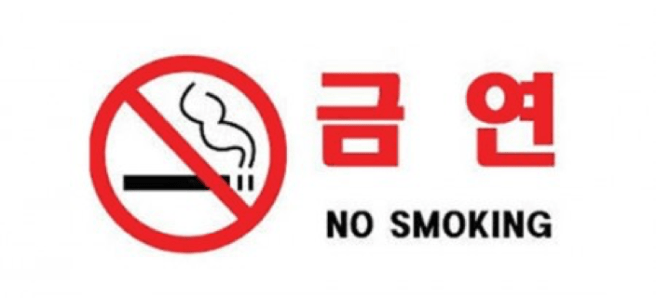
In 2014, the Organization for Economic Cooperation and Development released data on the statistics of smokers in South Korea. These figures showed that 36.6% of the male population (OECD, 2014), above the age of 15, reported that they smoked on a daily basis. It is evident to see that tobacco use within South Korean cities was a growing issue, with Korea “rank[ing] 13th in the world… and second among OECD nations” (The Diplomat, 2014) in 2012. Other factors that induce the usage of cigarettes are the mandatory military service (Premack, R. 2016) and as a stress reliever for high demanding jobs and study. With school children studying between 12-14 hours a day (Premack, R. 2016), this is an evident entry to a smoking habit.

No smoking korea.png

The issues surrounding public smoking is the environmental tobacco smoke (ETS) (Kwak et al. 2017). This can be defined as ‘second hand smoke’ and contains a higher concentration of harmful chemicals. This puts young children at risk, due to their still developing airway, making them more vulnerable to smoke related health issues. Upon travelling to South Korea in 2015, specifically Seoul, one of the most remarkable events I witnessed was the introduction of smoking rooms in the streets, these were small glass rooms on the pathway smoggy with cigarette smoke. By having an enclosed area design specifically for smoking, public smoking was allowed. Current challenged with this solution of completely banning smoking in public areas is the disputes between smokers and non-smokers (The Straits Times, 2017). In August 2017, a poll was conducted by the city with over 90 percent of respondents agreeing with completely banning public smoking (The Straits Times, 2017). Those against it are arguing that there are no more places for them to smoke, even within their own private property due to the smoke travelling to other residents. Those who are caught smoking in public can receive a fine of 100,000 won, with shop owners receiving a fine of 5 million won if they allow smoking in their establishment. These fines have been in place since July 2013.


While making nearly the entire city an anti-smoking zone with extreme restrictions and harsh punishments, the decrease in smoking in public areas continues. However, the issues with smoking within the community is being more greatly controlled by other external factors such as the increase in price of cigarettes, anti-smoking campaigns such as graphic boxes and an improved education to smoking. Until these are addressed fully, the health issues surrounding smoking aren’t going to improve drastically.


References:

Premack, R. 2016, ‘South Korea came up with a plan to cut down smoking. The opposite happened’, Washington Post, viewed 29November 2018,  <https://www.washingtonpost.com/news/worldviews/wp/2016/07/29/south-korea-came-up-with-a-plan-to-cut-down-smoking-the-opposite-happened/?noredirect=on&utm_term=.611af6bf45ec&gt;

Daily Smokers, OECD, viewed 29 November 2018, <https://data.oecd.org/healthrisk/daily-smokers.htm&gt;

South Korea seeks near-doubling of cigarette price, BBC, viewed 29 November 2018, <https://www.bbc.com/news/world-asia-29154469&gt;

South Korea No Longer a Smoker’s Haven, The Diplomat, viewed 29 November 2018, <https://thediplomat.com/2014/08/south-korea-no-longer-a-smokers-haven/&gt;

Image, n.d, Korea4Expats, viewed 29 November 2018,  <https://www.korea4expats.com/article-smoking-bans-korea.html&gt;

Kwak, J., Jeong, H., Chun, S., Bahk, J, H., Park, M., Byung, Y., Lee, J. & Yim, H, W, Effectiveness of government anti-smoking policy on non-smoking youth in Korea: a 4-year trend analysis of national survey data, viewed 29 November 2018,  <https://www.ncbi.nlm.nih.gov/pmc/articles/PMC5577913/&gt;

South Korea goes back to drawing board on plan to completely ban smoking in public, Straits Times, viewed 29 November 2018, <https://www.straitstimes.com/asia/east-asia/south-korea-goes-back-to-drawing-board-on-plan-to-completely-ban-smoking-in-public&gt;

POST B: Australia’s plain packaging

Within the world health organizations (WHO) Framework Convention on Tobacco Control (FCTC), there are six key components that provide guidelines for governments/organisations when approaching Tobacco control. These components include; Monitor the use and prevention policies, protect people from tobacco smoke, offer help to quit tobacco use, warn about the dangers of tobacco, enforcing bans on tobacco advertising, promotion and sponsorship and raise taxes on tobacco. The Australian government heavily involved in the development of the FCTC guidelines, thus Australia became one of the first countries to implement plain packaging measures in 2012. These measure ‘act to protect these policies from commercial and other vested interests of the tobacco industry in accordance with national law.’ (Article 5.3, FCTC)

‘Our business is not about persuading people to smoke; it is about offering quality brands to adults who have already taken the decision to smoke.’ British American Tobacco Australia website 2011

The introduction of plain packaging is one of the simplest but more effective methods to combat the number of new smokers and number in general. It is a particularly effective method of reducing participation by underaged or younger smokers, reducing the appeal that coincides with aesthetic packaging and brand recognition whilst also increasing the effectiveness of health warnings.

smoking

Figure 1: NewsComAu 2018, Tobacco giants vow to keep fighting, Viewed 26 Nov 2018, <https://www.news.com.au/finance/business/manufacturing/australia-wins-wto-tobacco-packaging-case/news-story/97b570c4143559027c977d3b2601b498>

Dr Tasneem Chipty, of Analysis Group, conducted research into the discernible effect that plain packaging has on the prevalence of smoking within Australia. The research found that between the years 2012 and 2015 the plain packaging campaign was responsible for a quarter of the total drop in smoking prevalence, resulting in around 100,000 fewer smokers. The immediate effect of this initiative is seen within these numbers, highlighting the impact of cigarette advertisement and branding in the past and its impact on new and established smokers.

However, there are limitations of this initiative relating to its longevity, as many smokers and non-smokers alike have become desensitised to the packaging due to prolonged exposure. the fact that these forms of packaging have been normalized by smokers and non-smokers alike creates an opportunity for the introduction of new and more effective forms of preventative packaging.   As an initiative, I believe that it was an important and successful step towards solving an issue that is much greater. An issue that is heavily ingrained into many modern cultures and that should be approached from all angles consistently to achieve substantial change.

References

Tobacco in Australia 2016, 1.1 A brief history of tobacco smoking in Australia – Tobacco In Australia,  viewed 25 November 2018, <http://www.tobaccoinaustralia.org.au/chapter-1-prevalence/1-1-a-brief-history-of-tobacco-smoking-in-australi>

Health.gov.au. 2018, Department of Health | Tobacco control timeline, Viewed 26 Nov. 2018,<http://www.health.gov.au/internet/publications/publishing.nsf/Content/tobacco-control-toc~timeline>

World Health Organization 2018, MPOWER, Viewed 29 Nov 2018, <http://www.who.int/tobacco/mpower/en/>

Health.gov.au. 2018, Department of Health | Evaluation of tobacco plain packaging in Australia, Viewed 29 Nov. 2018, <http://www.health.gov.au/internet/main/publishing.nsf/content/tobacco-plain-packaging-evaluation>

Figure 1: NewsComAu 2018, Tobacco giants vow to keep fighting, Viewed 26 Nov 2018, <https://www.news.com.au/finance/business/manufacturing/australia-wins-wto-tobacco-packaging-case/news-story/97b570c4143559027c977d3b2601b498>